

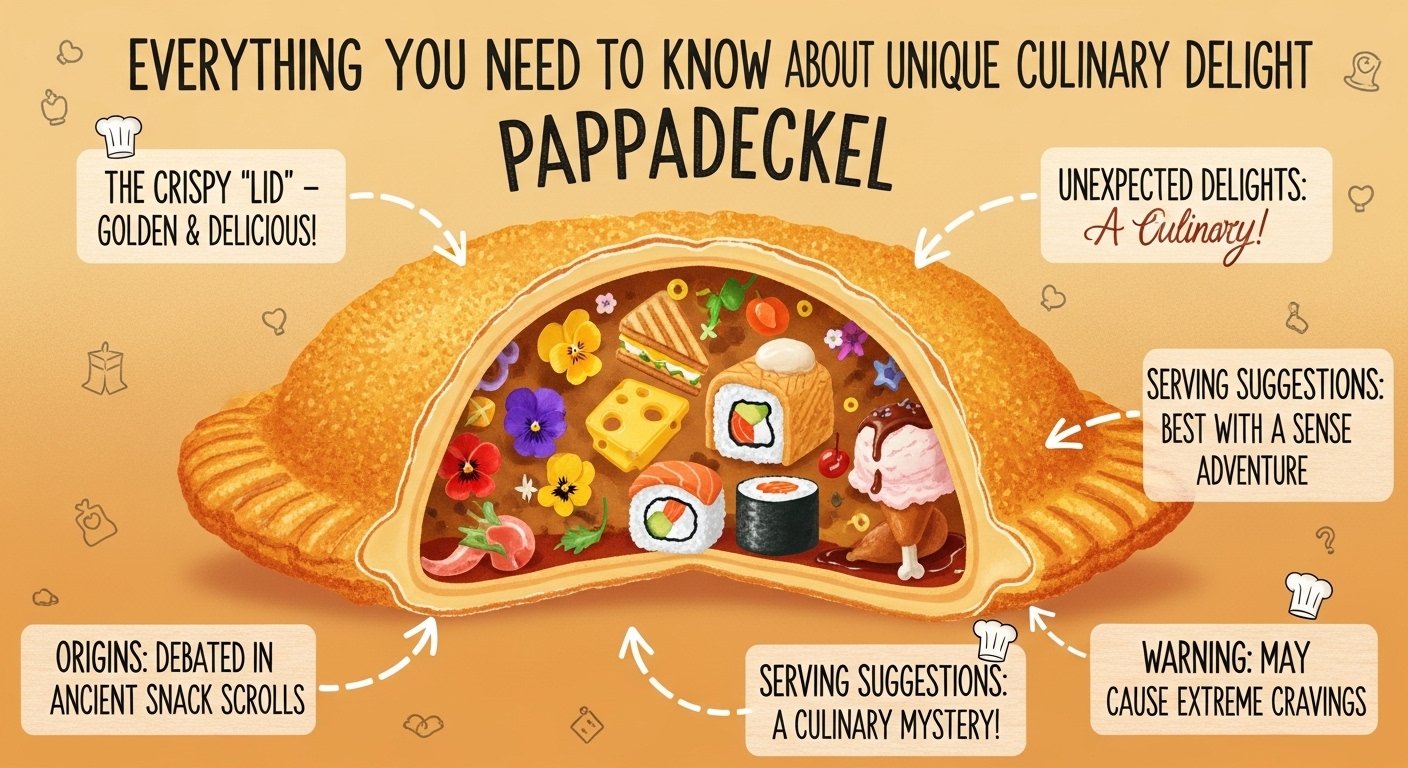
Introduction to Pappedeckel
Are you ready to embark on a culinary adventure? Let’s dive into the delightful world of pappedeckel—a unique dish that captivates both the palate and the imagination. Originating from Germany, this delectable treat has earned its place in hearts and kitchens across various regions. With its rich history, diverse variations, and mouthwatering flavors, pappedeckel is not just food; it’s an experience waiting to be savored. Whether you’re a seasoned foodie or simply curious about new tastes, there’s something about pappedeckel that promises to intrigue you. So grab your fork and let’s explore everything this remarkable dish has to offer!
The History and Origin of Pappedeckel
Pappedeckel has roots that trace back to the rustic kitchens of Germany. This culinary treasure is believed to have originated in the southwestern regions, where home cooks experimented with simple ingredients. Traditionally, it was a staple for farmers and laborers. They needed hearty sustenance that could be easily prepared and transported. Pappedeckel became a reliable source of energy during long days in the fields.
As time went on, its popularity spread beyond rural areas into urban centers. Each locality began adding its own twist, marrying regional flavors with this humble dish. The name “Pappedeckel” itself hints at its unique texture and preparation method. It perfectly reflects the creativity born from necessity within German cuisine’s rich tapestry. Today, this delightful food continues to honor those early traditions while adapting to modern palates.
How is Pappedeckel Made?
Pappedeckel is a culinary gem that begins with simple ingredients. The base typically includes flour, water, and salt. These are combined to create a smooth dough. Once mixed, the dough is kneaded until it reaches the right texture. This process helps develop gluten, giving Pappedeckel its unique structure.
Next comes an intriguing step: shaping. Traditionally, this involves rolling out the dough thinly before cutting it into desired shapes or sizes. Some areas might have specific molds for added flair. Cooking methods vary too. While some prefer baking in an oven until golden brown, others opt for pan-frying to achieve a crispy exterior.
The final touch often includes spices or toppings that enhance flavor profiles and make each piece unique. It’s this combination of techniques and personal touches that truly makes Pappedeckel special in every kitchen.
Regional Variations of Pappedeckel
Pappedeckel showcases its versatility across various regions, each adding a unique twist to this delightful dish. In the northern parts of Germany, for instance, you’ll find heartier versions that incorporate smoked meats and robust spices. Travel southward, and the flavors shift dramatically. Here, chefs often infuse their pappedeckel with local cheeses and fresh herbs. The result is a lighter yet equally satisfying experience.
In Austria, bakers have embraced pappedeckel by layering it with sweet fillings like fruit jams or chocolate spreads. This adaptation transforms the savory treat into an indulgent dessert. Meanwhile, some coastal areas experiment with seafood elements. Imagine pappedeckel topped with succulent shrimp or crab a fusion that highlights regional bounty. Each variation tells a story about local ingredients and culinary traditions, making every bite a journey through culture and history.
Popular Ways to Serve Pappedeckel
Pappedeckel is incredibly versatile, making it a delightful addition to various meals. One popular way to serve this dish is as a warm side with hearty stews or soups. Its unique texture complements the rich flavors beautifully. Another creative option is to slice Pappedeckel and toast it lightly. This gives it a pleasant crunch, perfect for pairing with spreads like creamy butter or tangy cheese.
For those who enjoy sweets, consider serving Pappedeckel drizzled with honey or sprinkled with powdered sugar. The sweetness balances its savory notes wonderfully. Additionally, it can be transformed into finger food by topping small squares of Pappedeckel with smoked salmon or avocado, making an elegant appetizer. Experimenting with these serving methods showcases the delightful adaptability of Pappedeckel in your culinary adventures!
Health Benefits of Pappedeckel
Pappedeckel isn’t just a delicious treat; it also packs some surprising health benefits. Made primarily from wholesome ingredients, this dish can contribute to a balanced diet. The base often includes grains, which provide essential fiber. Fiber is crucial for digestive health and helps maintain steady energy levels throughout the day.
Additionally, Pappedeckel can be enriched with vegetables or lean proteins. These additions boost its nutritional profile, offering vitamins and minerals that support overall well-being. Another advantage of this culinary delight is its versatility. You can easily modify recipes to include healthier alternatives or fresh ingredients based on your dietary needs.
While indulging in Pappedeckel, you’re not only enjoying a unique flavor experience but also nourishing your body in the process. It’s an excellent choice for those seeking both taste and nutrition in their meals.
Where to Find and Try Pappedeckel
If you’re eager to taste look no further than local German bakeries. These hidden gems often have traditional recipes that bring out the authentic flavors. Festivals celebrating regional cuisine are excellent spots too. Many food fairs showcase pappedeckel among other delightful treats. It’s a vibrant way to experience this dish alongside cultural performances.
Restaurants specializing in German dishes frequently add pappedeckel to their menus. Don’t hesitate to ask servers for recommendations on how they serve it best. You can also explore online platforms or apps dedicated to food discovery. Users often share reviews and photos of places serving this unique delicacy.
If traveling through Germany, small towns may offer family-owned eateries where you can savor homemade versions with a personal touch. Each bite will tell its own story!
How to Make Pappedeckel at Home
Making at home is a delightful culinary adventure. Start with simple ingredients: flour, sugar, butter, eggs, and milk. Begin by mixing the dry ingredients in one bowl and combining the wet ones in another. Gradually blend them together until you achieve a smooth batter.
Next, pour the mixture into a greased baking dish. Bake it at 180°C (350°F) for about 30 to 35 minutes or until golden brown on top. For that authentic touch, sprinkle powdered sugar once it’s cooled down. Some like to add spices such as cinnamon or nutmeg for an extra kick. Serve your homemade pappedeckel warm alongside coffee or tea. Enjoy sharing this unique treat with family and friends; they will surely appreciate your effort!
Conclusion
Pappedeckel is more than just a dish; it’s a culinary experience steeped in tradition and flavor. Whether you’re savoring its unique taste at a local eatery or trying your hand at making it from scratch in your kitchen, the joy of lies in its rich history and cultural significance. As this delightful food continues to gain popularity, there are countless ways to enjoy it from regional variations that showcase local ingredients to health benefits that make it an appealing choice for anyone looking to indulge mindfully. So why not explore this fascinating dish? Dive into the world of and discover what makes it such a beloved favorite across different cultures.