

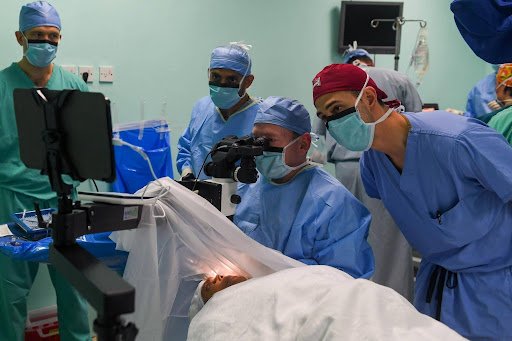
Cataract surgery is often described as a turning point for people who have been living with cloudy or blurred vision. While the procedure itself is brief, the changes that follow can feel significant. Many individuals are curious about what their vision will be like afterward and how it may affect their daily routines.
Understanding what to expect after cataract surgery helps create realistic expectations. Vision typically improves over time, and everyday experiences may begin to feel clearer and more comfortable as the eyes heal and adjust.
The First Changes in Vision After Surgery
In the early days following cataract surgery, many people notice that their vision appears brighter. Colors may look more vivid, and details that were once difficult to see can become clearer. This change happens because the cloudy lens has been replaced with a transparent artificial one.
At the same time, the eye is still healing, so vision may not be perfectly stable right away. Some individuals experience mild blurriness or sensitivity to light during this period. These effects are usually temporary and improve as the eye adjusts.
The brain also plays a role in adapting to the new visual input, which can take a little time.
Adjusting to a Clearer View
After living with cataracts, the sudden improvement in clarity can feel unfamiliar at first. Objects may appear sharper than expected, and brightness levels can seem higher. This adjustment period is normal and often short-lived.
As the eyes and brain work together, vision gradually becomes more natural. Most people begin to feel comfortable with their new vision within a few weeks.
Patience during this stage helps ease the transition.
How Daily Activities May Change
Improved vision can have a noticeable impact on everyday life. Tasks such as reading, cooking, or recognizing faces often become easier. Many individuals find that they can return to activities they had previously limited due to poor vision.
Driving, especially during the day, may feel more comfortable once clarity improves. Night driving may still require some adjustment, particularly if there is lingering sensitivity to light.
For a broader understanding of these changes and how vision evolves over time, this explanation of life after cataract provides useful insight into the post-surgery experience.
The Role of Artificial Lenses in Vision Quality
The type of intraocular lens used during surgery can influence how vision feels afterward. Some lenses are designed to provide clear distance vision, while others support both near and intermediate focus.
This means that some individuals may still need glasses for certain tasks, depending on the lens chosen. Understanding this ahead of time helps avoid confusion during recovery.
Over time, most people adapt well to their new visual range and develop confidence in their eyesight.
Visual Comfort and Clarity
As healing progresses, visual comfort typically improves. Sensitivity to light decreases, and the eyes become more accustomed to different lighting conditions. This allows for a more natural and stable visual experience.
Some individuals may notice fewer issues with glare compared to before surgery. Others may still experience mild effects, but these are often manageable and temporary.
Regular follow-up visits help ensure that vision continues to improve as expected.
Managing Dry Eye and Post-Surgery Sensations
It is common to experience dryness or a slight gritty feeling in the eyes after cataract surgery. These symptoms are usually mild and can be managed with prescribed eye drops. Keeping the eyes lubricated supports healing and comfort.
Dry eye can also influence how vision feels during recovery. Addressing this early helps maintain clarity and reduces irritation.
For more insight into how dryness affects surgical outcomes, this resource on the connection between dry eye and cataract success explains how proper care can improve results.
Emotional and Lifestyle Impact
Clearer vision can influence more than just physical tasks. Many people report feeling more confident and independent after cataract surgery. Being able to see clearly again often brings a sense of ease to daily life.
This improvement can encourage individuals to engage more fully in social activities and hobbies. Simple experiences, such as enjoying scenery or reading comfortably, can feel more rewarding.
These changes highlight the broader impact that vision has on overall well-being.
Maintaining Overall Well-Being
Taking care of overall health supports long-term visual comfort. While cataract surgery improves clarity, maintaining healthy habits helps preserve eye function over time.
Some people explore general wellness practices as part of their routine. For example, this discussion on daily lifestyle habits and well-being reflects how small changes can contribute to a balanced and healthy lifestyle.
Combining eye care with overall wellness supports better long-term outcomes.
Long-Term Vision Expectations
After the initial recovery period, vision typically stabilizes and remains consistent. The artificial lens does not develop cataracts, which means the clarity achieved after surgery is usually lasting.
However, regular eye exams are still important. Other eye conditions can develop over time, and early detection helps maintain good vision.
Staying proactive with eye care ensures that the benefits of surgery continue for years to come.
Conclusion
Life after cataract surgery often brings noticeable improvements in clarity, comfort, and confidence. While the adjustment period may involve temporary changes, most people experience steady progress as their eyes heal.
Understanding what to expect and taking steps to support recovery can make the transition smoother. With proper care and ongoing attention to eye health, individuals can enjoy clearer vision and a more comfortable daily experience.