

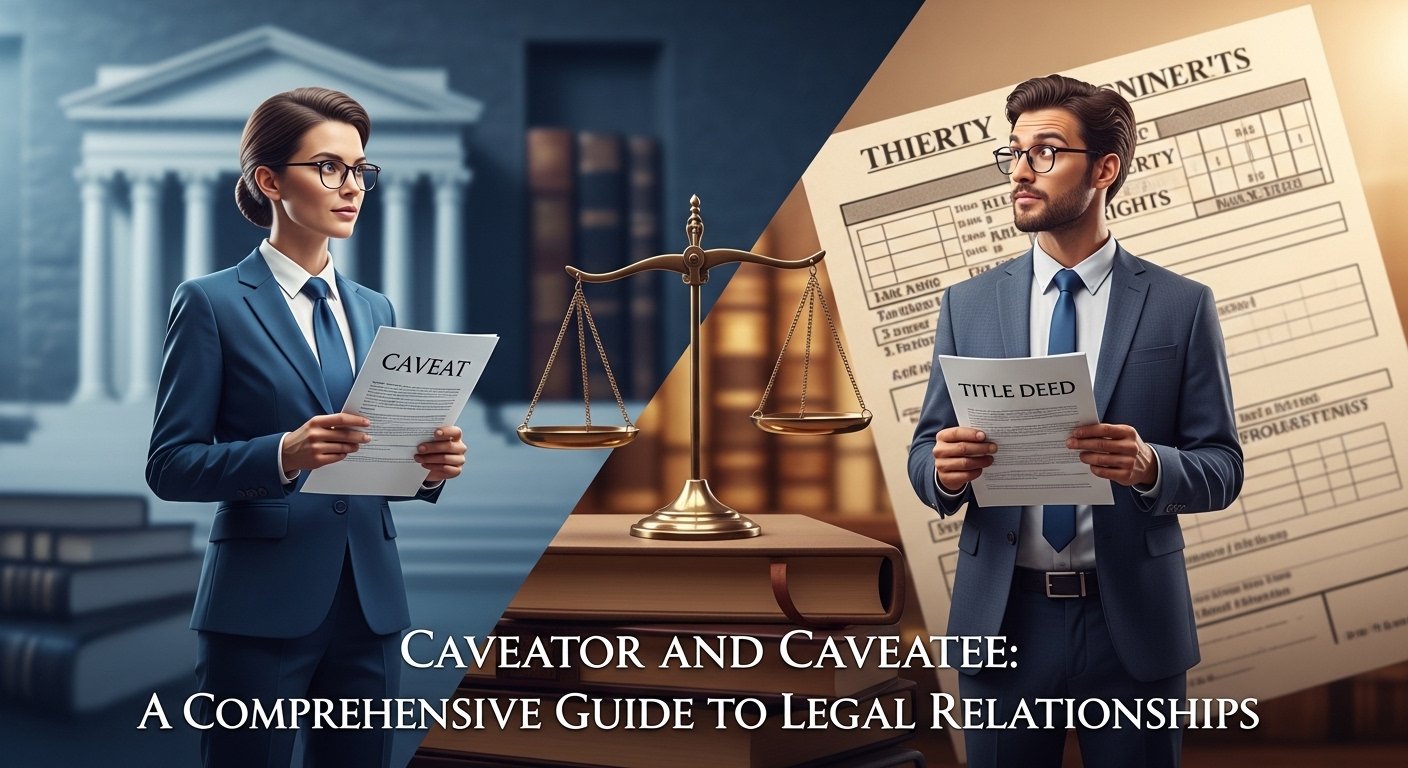
Navigating the world of legal terms can often feel like stepping into a labyrinth. Among the many concepts that intertwine in this complex landscape, two roles stand out: the caveator and caveatee. These terms might sound foreign at first, but understanding them is crucial for anyone involved in legal agreements. Whether you are dealing with property disputes or contractual obligations, knowing who holds which role can make all the difference.
In this guide, we’ll break down what it means to be a caveator caveatee and explore their unique responsibilities in various legal relationships. By clarifying these definitions and examining real-world applications, we aim to equip you with the knowledge needed to navigate your own legal journeys confidently. Let’s dive in!
The Definition of Caveator and Caveatee
A caveator is a party that lodges a caveat, which is essentially a warning or notice to prevent certain actions regarding property. This person seeks to protect their interest by alerting others that they have a claim worth considering before any transactions occur. On the flip side, the caveatee is the individual or entity against whom the caveat is lodged. They may be looking to proceed with an action like selling or transferring property but must first address the concerns raised by the caveator’s notice.
These roles are crucial in legal scenarios involving real estate and other assets. Understanding who occupies each role helps clarify intentions and responsibilities within legal agreements. Each party plays an important part in maintaining balance during negotiations and preventing disputes from escalating unnecessarily.
Understanding Their Roles in Legal Relationships
In legal relationships, the roles of a caveator and caveatee are distinct yet interconnected. The caveator is essentially the party that places a caution or warning on an interest in property or an asset. This act often signifies a claim or dispute over ownership rights. On the other hand, the caveatee is usually the individual who holds the title to that property or asset. They may be unaware of any competing claims until notified by the caveator’s action.
The interaction between these two parties can shape outcomes in various legal contexts, particularly in property law. Understanding their respective positions helps clarify responsibilities and potential disputes. Both roles carry significant weight when it comes to protecting interests and ensuring fair dealings. Their dynamic illustrates how one party’s actions can profoundly impact another’s rights within legal frameworks.
Common Types of Legal Relationships Involving a Caveator and Caveatee
Caveators and caveatees often find themselves in various legal scenarios. One common type is seen in property transactions where a caveat is lodged to protect an interest in the land. This ensures that no further dealings occur without notifying the interested party. Another scenario arises during estate planning. A caveator may contest a will, asserting their claim against the estate’s distribution, while the caveatee defends their right to inherit as outlined by the deceased.
In contractual disputes, one party might file a caveat on another’s assets or rights if they believe there are grounds for contesting obligations under a contract. These relationships can also emerge within family law cases, particularly when determining guardianship or financial responsibilities involving minors or dependents. Each situation highlights distinct dynamics between parties and emphasizes the need for clarity and legal guidance.
Rights and Obligations of a Caveator and Caveatee
The rights and obligations of a caveator and caveatee are fundamental to their legal relationship. A caveator, typically the party who has lodged a caveat, possesses the right to prevent dealings that may affect their interest in the property. This means they can assert their claim until it’s resolved. Conversely, the caveatee holds rights over the property but must respect the presence of the caveat. They cannot sell or transfer ownership without addressing the concerns raised by the caveator.
Both parties have obligations as well. The caveator must provide valid reasons for lodging a caveat and ensure it is not frivolous. Meanwhile, the caveatee should promptly respond to any claims made by the caveator and engage in good faith discussions. Failure to adhere to these responsibilities can lead to disputes or legal challenges down the line. It’s vital for both sides to communicate effectively throughout this process.
Legal Protection for Each Party
Legal protection for both caveators and caveatees is vital in maintaining a fair relationship. Each party has rights that should be upheld to prevent misunderstandings. For the caveator, legal safeguards often involve the right to lodge a notice against property interests. This means they can assert their claim without fear of being sidelined by competing interests.
On the flip side, caveatees are protected through mechanisms allowing them to contest any claims made against their property or assets. They can challenge notices that could jeopardize ownership. Additionally, courts play a key role in ensuring justice prevails. If disputes arise, either party can seek remedies through litigation or mediation processes designed specifically for these situations. Understanding these protections helps each party navigate potential challenges while preserving their respective rights within this legal framework.
Potential Issues and How to Resolve Them
Caveators and caveatees can face various potential issues within their legal relationships. Miscommunication is a common problem, often leading to misunderstandings about rights or obligations. When expectations are not clear, disputes may arise. Another issue involves the enforcement of terms outlined in the agreement. If either party fails to uphold their responsibilities, it can create significant tension.
To resolve these conflicts, open communication is vital. Regular discussions ensure both parties remain aligned on their roles and duties. Mediation can also be an effective approach when disagreements escalate. A neutral third-party mediator helps facilitate dialogue and find mutually acceptable solutions. If necessary, seeking legal advice provides clarity on rights and options available under the law. Documentation plays a crucial role in any dispute resolution process; keeping thorough records protects each party’s interests effectively.
Conclusion
Navigating the relationship between a caveator and a caveatee is crucial in various legal contexts. The balance of rights and obligations can significantly impact both parties’ interests. Whether you’re entering into an agreement or seeking to secure your rights, understanding these roles helps create clarity. Establishing this relationship correctly ensures that all parties are aware of their responsibilities and protections under the law. It minimizes potential disputes while fostering trust between those involved.
Maintaining open communication throughout any legal process strengthens this relationship further. Regular check-ins on compliance with agreements can prevent misunderstandings down the line. Recognizing the importance of being a well-informed caveator or caveatee contributes to more effective legal dealings, reducing risks and enhancing security for everyone involved.