

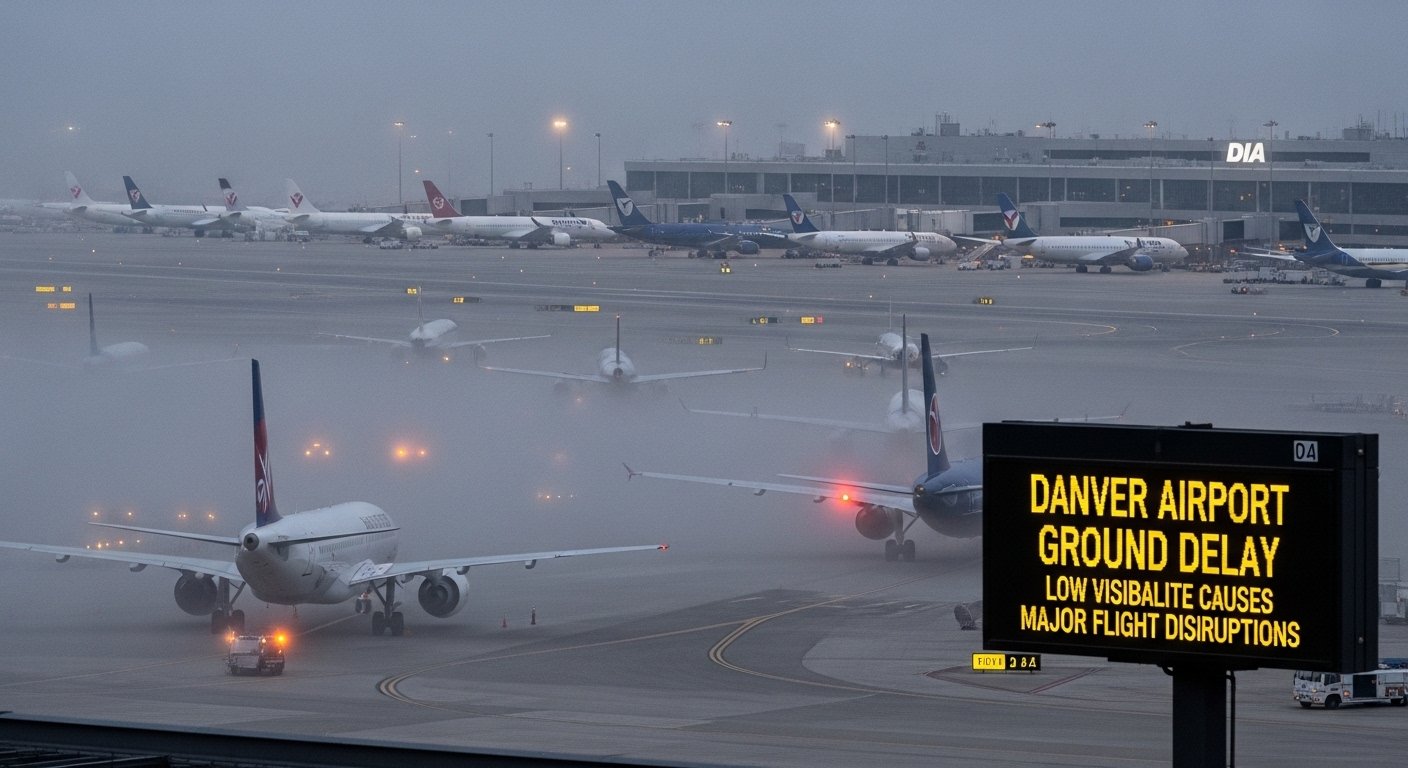
Introduction to the Denver Airport Ground Delay
Denver International Airport, known for its striking architecture and bustling atmosphere, can sometimes face challenges that disrupt travel plans. One significant issue is the Denver airport ground delay low visibility scenario. When fog rolls in or heavy snowfall blankets the area, flights can be delayed or even grounded entirely. This not only affects travelers hoping to reach their destinations but also creates a ripple effect across airlines and connecting flights.
Understanding how low visibility impacts flight operations at such a major hub is essential for anyone planning to fly into or out of Denver. In this blog post, we’ll explore what causes these delays, their effects on passengers and airlines alike, and tips for navigating unexpected disruptions while traveling through one of America’s busiest airports.
Explanation of Low Visibility and its Impact on Flights
Low visibility is a common issue in aviation, especially during adverse weather conditions. It occurs when the range of vision for pilots drops below safe operational standards. Factors like fog, heavy rain, or snow can significantly reduce clarity. When visibility decreases, flights face immediate challenges. Pilots rely on instruments for takeoff and landing in these situations. Airports often implement ground delays to prioritize safety.
Ground delays occur as air traffic controllers manage the flow of aircraft more cautiously. This ensures that only those with adequate visibility are allowed to take off or land. For passengers, low visibility impacts schedules and travel plans directly. Flights may be delayed for hours or even canceled altogether due to these constraints. Understanding this helps passengers grasp why their travel experiences may be disrupted unexpectedly.
Causes of Ground Delay at Denver Airport
Denver Airport frequently experiences ground delays due to low visibility conditions. These can stem from fog, heavy snowfall, or rain. When visibility drops below a certain threshold, aircraft cannot safely land or take off. Air traffic control plays a crucial role in managing these situations. They prioritize safety over schedules and often implement ground stops until the weather improves.
Another factor is Denver’s unique geographical location. The surrounding mountains contribute to rapidly changing weather patterns, making it challenging for pilots and air traffic controllers alike. Increased air traffic during peak travel times can exacerbate delays. With more flights scheduled simultaneously, even minor disruptions can lead to significant backups on the tarmac.
Understanding these causes helps passengers grasp why delays occur. Awareness allows travelers to plan accordingly when navigating through Denver Airport’s unpredictable weather challenges.
Effects on Passengers and Airlines
Flight delays due to low visibility at Denver Airport can be quite frustrating for passengers. When planes can’t take off or land, travelers face extended waiting times and uncertainty. This situation often leads to missed connections and altered travel plans. Airlines also feel the impact of these ground delays. They must manage passenger expectations while dealing with logistical challenges. Rebooking flights, providing accommodations, and ensuring customer service becomes a high priority during such disruptions.
The ripple effect continues as resources are stretched thin across multiple airlines operating in the area. Staff members work tirelessly to address concerns and assist stranded travelers, which can lead to longer lines at counters and help desks. Passengers may experience heightened stress levels as they navigate changing itineraries amidst chaotic conditions. The atmosphere can quickly shift from excitement about traveling to anxiety over unforeseen circumstances caused by weather-related issues.
Steps Taken by Authorities to Mitigate the Situation
Authorities at Denver International Airport are proactive when low visibility leads to ground delays. They coordinate closely with air traffic control to manage flight schedules effectively. Enhanced communication channels ensure that airlines receive timely updates about weather conditions. This helps them inform passengers promptly, reducing uncertainty and frustration.
The airport employs advanced radar systems and technology to monitor visibility levels in real-time. These tools help make informed decisions about operations, prioritizing safety without compromising efficiency. Ground crews remain on standby for quick responses. They prepare for potential rerouting or holding patterns as needed, minimizing the impact of any disruption.
Additionally, partnerships with local meteorological services provide accurate forecasts. This collaboration allows the airport to anticipate weather changes and adapt strategies accordingly.
Tips for Passengers Dealing with Flight Disruptions
Staying calm is crucial when faced with flight disruptions. Take a deep breath and remember that delays are often beyond anyone’s control. Stay informed by downloading your airline’s app or checking their website for real-time updates. This will help you understand the situation better.
Pack essentials in your carry-on. Snacks, chargers, and travel pillows can make waiting more comfortable. Consider alternative routes if your flight has been significantly delayed. Speak with airline representatives about rebooking options. Connect with fellow passengers; sharing experiences can ease frustrations and sometimes lead to helpful tips or information you might not have considered. Embrace flexibility. Travel plans may change unexpectedly, but remaining adaptable can turn an inconvenience into an adventure worth remembering.
Conclusion
Traveling can be unpredictable. The Denver airport ground delay due to low visibility serves as a reminder of this reality. Weather conditions can change quickly, impacting flight schedules and causing significant disruptions. Being prepared for potential delays is essential for all travelers. Familiarize yourself with your airline’s policies regarding cancellations and rebookings. Always have a backup plan in place, such as alternative flights or accommodations if needed.
Staying informed through the airport’s website or mobile apps helps you navigate changes more effectively. It’s also wise to pack essentials in your carry-on bag snacks, chargers, and entertainment options for extended waits at the airport. While unforeseen circumstances like low visibility are out of our control, how we respond makes all the difference. A little preparation goes a long way in making travel smoother and less stressful when faced with unexpected challenges at places like Denver Airport.