

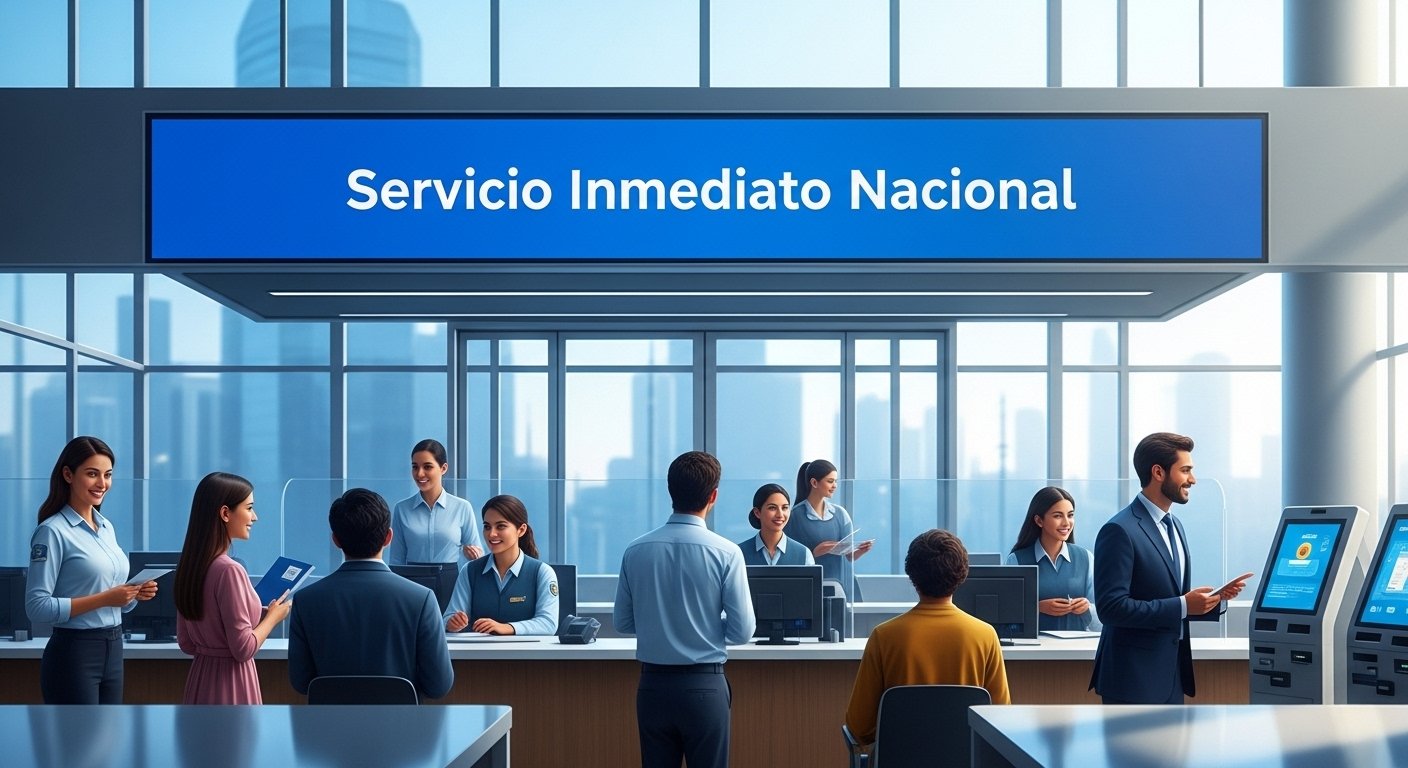
Introduction to Servicio Inmediato Nacional (SIN)
In a world where speed and efficiency are paramount, the gap between citizens and government services often feels insurmountable. Enter Servicio Inmediato Nacional (SIN), an innovative solution designed to bridge this divide in Latin America. Imagine accessing essential services with just a click or a call no more long lines or endless paperwork. SIN is not just another bureaucratic initiative; it’s a game changer that promises to transform how citizens interact with their government.
Picture this: you need assistance with your tax filings, health care information, or even local permits. Instead of navigating through complex systems, SIN provides immediate access to these services right at your fingertips. This revolutionary approach aims not only to enhance citizen experience but also improve overall governmental efficiency.
As we delve deeper into what SIN offers, you’ll discover how it’s reshaping public service delivery across the region and making life easier for countless individuals while empowering governments to serve better. Let’s explore this exciting development together!
The Need for Improved Government Services in Latin America
Latin America faces significant challenges when it comes to government services. Many citizens struggle with long wait times and bureaucratic hurdles. This inefficiency often leads to frustration and distrust in public institutions. Access to essential services like healthcare, education, and social security can be limited. Citizens frequently feel disconnected from their governments due to inadequate communication channels.
Moreover, economic disparities mean that marginalized communities are disproportionately affected by these service gaps. They often lack the resources or knowledge needed to navigate complex systems. Digital transformation presents a unique opportunity for improvement but is not uniformly adopted across the region. Bridging this digital divide is crucial for enhancing service delivery. Addressing these issues requires innovative solutions that prioritize citizen engagement and streamline processes within governmental structures.
How SIN Works: A Step-by-Step Guide
Servicio Inmediato Nacional (SIN) operates through a streamlined process designed for efficiency. Citizens begin by accessing the SIN platform, which can be reached via mobile apps or websites. Once on the platform, users select the specific service they require. This may include permits, social services, or administrative processes. After identifying their need, citizens fill out an online form that captures essential information.
Next, applicants submit relevant documents electronically. This eliminates physical paperwork and significantly reduces processing time. Upon submission, real-time tracking becomes available. Users can monitor their application’s status directly from the dashboard.
If additional information is required or there are questions regarding submissions, instant messaging features connect citizens with government representatives for immediate assistance. This entire system fosters transparency and responsiveness in government services while empowering citizens to engage actively with bureaucratic processes.
Benefits of SIN for Citizens and Government
Servicio Inmediato Nacional (SIN) offers numerous benefits for both citizens and government entities. For citizens, it simplifies access to vital services. No longer do they need to navigate complex bureaucracies or spend hours waiting in line. Information is streamlined, making interactions more user-friendly. Government agencies also reap rewards from SIN’s implementation. Efficiency improves as processes become faster and more transparent. This leads to better resource allocation and reduced operational costs.
Furthermore, trust between citizens and the government strengthens through enhanced service delivery. When people experience quick responses to their needs, satisfaction rises significantly. Data collection becomes a powerful tool for decision-making within governments. By analyzing patterns of usage, authorities can adapt services based on citizen demand effectively, ensuring that resources meet real-world needs efficiently.
Success Stories of SIN Implementation
In various countries across Latin America, the implementation of servicio inmediato nacional has transformed citizen engagement with government services. For instance, Colombia’s pilot program in Bogotá streamlined access to essential documents. Citizens reported reduced waiting times and increased satisfaction. Similarly, in Mexico City, SIN facilitated real-time updates on public service requests. This transparency fostered trust between citizens and local authorities. Residents felt empowered knowing they could track their inquiries efficiently.
Argentina also embraced SIN by integrating multiple platforms into a single interface for social services. The result was significant: families gained quicker access to benefits that previously took months to process. These success stories illustrate the potential of servicio inmediato nacional to enhance communication and responsiveness within governments while elevating citizen experiences dramatically. They show how innovation can bridge gaps that have long existed in bureaucratic systems.
Challenges and Solutions for Expanding SIN
Expanding the Servicio Inmediato Nacional (SIN) faces several challenges. One major hurdle is resistance from entrenched bureaucratic systems. These can hinder swift implementation and adaptation to new processes. Training staff on digital tools is essential yet often overlooked. Many government employees may not be familiar with modern technology, creating a knowledge gap that slows down service delivery.
Budget constraints present another significant obstacle. Governments must allocate resources wisely to ensure SIN’s infrastructure can support its goals sustainably. Collaboration among different governmental agencies is crucial for success but can be difficult to achieve. Clear communication and shared objectives are required for seamless integration of services.
Innovative solutions lie in public-private partnerships, which can provide additional funding and expertise. Engaging citizens through feedback mechanisms also helps tailor services more effectively, ensuring they meet real needs.
Conclusion: The Future of Government Services with SIN
The landscape of government services is evolving, and Servicio Inmediato Nacional (SIN) stands at the forefront of this transformation. By bridging the gap between citizens and government, SIN enhances accessibility and efficiency in service delivery. With its innovative approach, it fosters a more engaged citizenry while streamlining governmental operations.
As more countries embrace similar initiatives, we can expect to see a significant shift towards transparent and responsive governance. The potential for improved public trust cannot be overlooked either; as citizens experience quicker resolutions to their needs, they are likely to feel more connected to their government.
Looking ahead, the future of government services may very well hinge on models like SIN. As technology continues to advance and societies demand better accountability from their leaders, initiatives that prioritize immediate access will become increasingly vital. It’s an exciting time for governance in Latin America—and beyond—as new pathways emerge for collaboration between governments and the people they serve through efficient service mechanisms like servicio inmediato nacional.