

Introduction to Temporary Identity Certificates (TIC)
Navigating the maze of identity verification can be a daunting task, especially when unexpected situations arise. Whether you’ve lost your primary identification or you’re in transit and need to prove who you are, a Temporary Identity Certificate (TIC) steps in as a reliable solution. This essential document provides individuals with an interim means of identification until they can secure their permanent credentials. But what exactly is this certificate? Why might someone find themselves needing one? Let’s delve into the details surrounding temporary identity certificates and uncover everything you need to know about obtaining and using one effectively.
Reasons for Needing a TIC
There are several scenarios where a temporary identity certificate can be crucial. For individuals who have lost their primary identification documents, a TIC serves as an immediate solution. It allows them to verify their identity while they await the issuance of new official IDs.
Travel can also prompt the need for a TIC. If you find yourself in another country without your passport or national ID, this certificate can help navigate bureaucratic hurdles and facilitate travel plans. Refugees and asylum seekers often rely on TICs during transitional periods when obtaining formal documentation is challenging. This enables them to access essential services like healthcare and education.
Additionally, students studying abroad may require a temporary identity certificate if their original documents get misplaced or stolen. Having one ensures that they remain compliant with local regulations while securing necessary resources.
Requirements for Obtaining a TIC
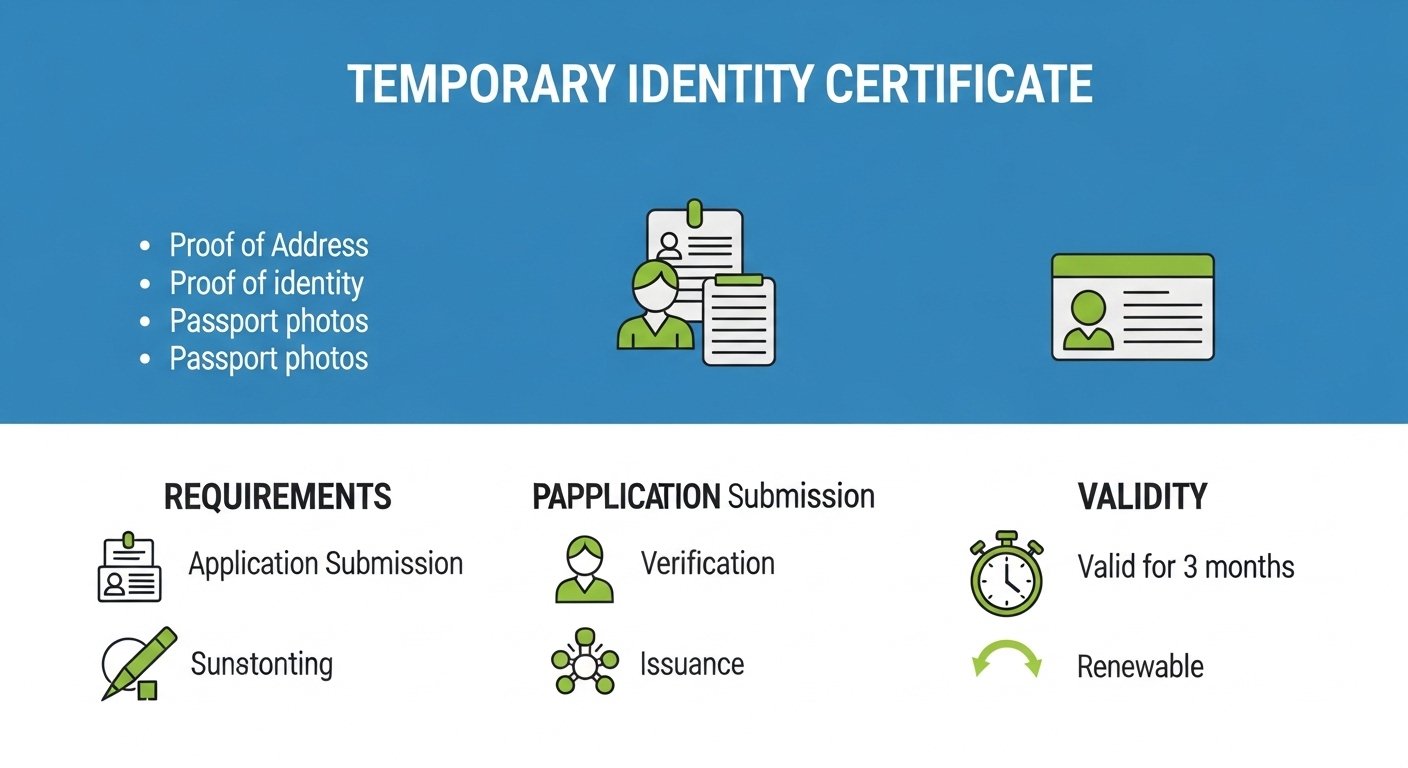
To obtain a temporary identity certificate, you must meet specific requirements. First, applicants typically need to provide proof of their identity. This can include documents like a passport or birth certificate. Next, it’s essential to present evidence of your current residence. Utility bills or rental agreements often suffice for this purpose.
Additionally, some authorities may require photographs that adhere to official guidelines. Ensure these images are recent and clear. You might also need to fill out an application form with personal details such as your name, date of birth, and contact information. Accuracy is crucial here; any mistakes could delay the process.
Be prepared to pay a processing fee. The amount varies depending on the issuing authority but is usually modest compared to other identification costs.
The Process of Applying for a TIC
Applying for a Temporary Identity Certificate (TIC) can seem daunting, but the process is straightforward. First, gather your necessary documents. This typically includes proof of identity and any relevant supporting information. Next, visit the official website or designated office in your area that handles TIC applications. Fill out the application form carefully. Ensure all details are accurate to avoid delays.
Once submitted, you may need to pay a nominal fee. Keep track of this transaction as it often serves as proof of your application. After submission, wait for processing confirmation. The time frame can vary based on location and demand. Stay patient during this period; timely updates may be provided through email or SMS alerts.
Once approved, ensure you collect your certificate promptly from the specified location or receive it by mail if that’s part of their service offerings.
Validity and Limitations of a TIC
A Temporary Identity Certificate (TIC) serves as a crucial tool for individuals who find themselves without their primary identification. Its validity typically ranges from a few months to one year, depending on the issuing authority and specific circumstances. However, it’s important to understand its limitations. A TIC may not be accepted in all situations, particularly where strict identity verification is required. For instance, some financial institutions or government agencies might still insist on original documents.
Additionally, while a TIC can facilitate travel or access services temporarily, it doesn’t replace your permanent identity documents. This means that once you obtain your original ID again, the TIC should no longer be used. Individuals must also be cautious about expiration dates. Using an expired certificate could lead to complications during essential transactions or travels. Always check the validity period and ensure timely renewals if necessary.
Tips for Using a TIC Effectively
When using a temporary identity certificate, clarity is key. Always ensure that the information on your TIC matches other forms of identification you might have. Keep multiple copies handy. This will save time and hassle if you need to present it in various situations, like applying for services or traveling.
Be aware of its limitations. A TIC may not be accepted everywhere, especially for formal transactions. Confirm with institutions beforehand about their policies regarding TICs. Use the document responsibly; avoid sharing sensitive information unnecessarily. Protecting your personal data should always remain a priority. Stay informed about any changes in regulations concerning TICs. Policies can shift, impacting how this certificate is recognized across different sectors and regions.
Conclusion
Temporary Identity Certificates (TIC) serve as a vital resource for individuals who find themselves in situations where their primary identification is lost, stolen, or unavailable. Understanding the reasons behind the need for a TIC helps clarify its importance in various contexts from travel emergencies to legal requirements. The application process may seem daunting at first glance, but being aware of the necessary requirements and steps can simplify it significantly. Always keep an eye on the validity period of your certificate and understand its limitations to avoid complications later on.
Using a TIC effectively means knowing when and how it can be presented, ensuring you have additional documentation if needed. Whether you’re navigating bureaucratic hurdles or simply trying to establish your identity temporarily, knowledge is key.
Recognizing what a Temporary Identity Certificate offers allows individuals not only to navigate immediate challenges but also fosters peace of mind during uncertain times. By taking proactive measures and staying informed about both processes and tips for effective use, anyone can make their experience with acquiring and utilizing a TIC smoother and more efficient.