

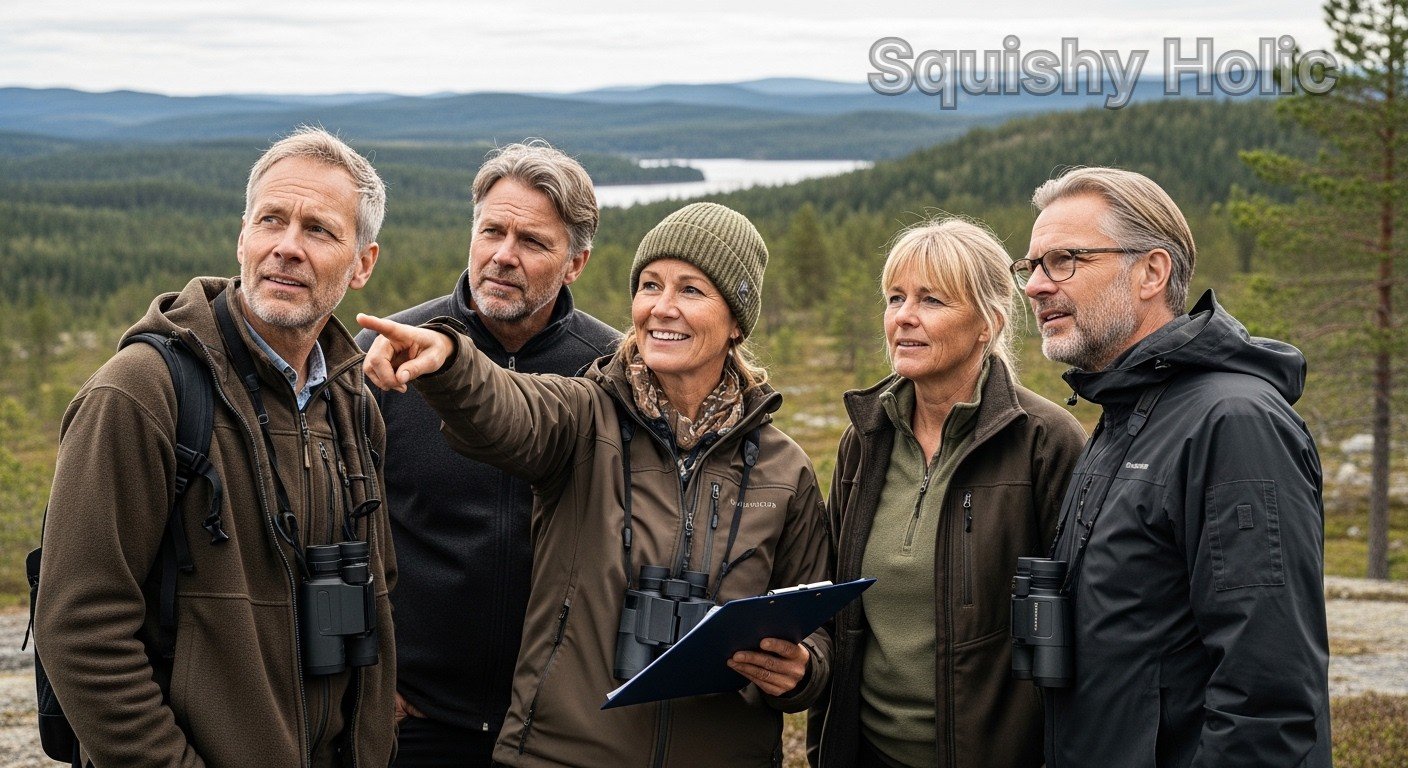
Introduction to Viltnemnda
Wildlife is an invaluable part of our planet’s ecosystem. From majestic elk roaming the forests to colorful birds soaring through the skies, these creatures contribute to biodiversity and ecological balance. But managing wildlife effectively requires careful planning and coordination. This is where Viltnemnda steps in. These dedicated bodies play a crucial role in ensuring that wildlife thrives while also considering human interests. Understanding what Viltnemnda does can help us appreciate their efforts in protecting natural habitats and promoting sustainable practices for future generations. Let’s dive deeper into the fascinating world of Viltnemnda and uncover how they shape wildlife management today!
What is Wildlife Management?
Wildlife management is a vital practice aimed at preserving the delicate balance of ecosystems. It involves various strategies and techniques to ensure sustainable populations of animals and plants. This field encompasses diverse activities such as habitat restoration, species monitoring, and population control. Wildlife managers assess environmental conditions to make informed decisions that benefit both wildlife and human interests.
Effective wildlife management also addresses conflicts between humans and animals. It seeks solutions that minimize negative interactions while promoting coexistence. Regulatory measures play a pivotal role in this process, ensuring legal frameworks support conservation efforts. Stakeholder engagement is essential; collaboration with local communities fosters understanding and shared responsibility for wildlife resources. Wildlife management strives to maintain biodiversity while meeting societal needs, creating a harmonious relationship between nature and people.
The History and Purpose of Viltnemnda
Viltnemnda has its roots in Norway’s commitment to sustainable wildlife management. Established to address increasing concerns about declining animal populations and habitat destruction, it began evolving in the early 20th century. The primary purpose of viltnemnda is to ensure a balanced relationship between humans and wildlife. By overseeing hunting regulations and conservation efforts, it aims to protect biodiversity while allowing for responsible resource use.
Over time, viltnemnda has adapted its strategies based on changing environmental conditions and societal needs. This adaptability reflects a growing understanding of ecosystems and their complexities. Today, viltnemnda plays a crucial role in shaping policies that not only benefit wildlife but also educate communities on the importance of preserving nature’s delicate balance. Its mission extends beyond mere oversight; it’s about fostering stewardship among citizens who share the land with diverse species.
Roles and Responsibilities of Viltnemnda
Viltnemnda plays a crucial role in wildlife management. This organization focuses on overseeing the sustainable use of natural resources within its jurisdiction. One primary responsibility is to regulate hunting practices. Viltnemnda establishes quotas and seasons, ensuring populations remain balanced. They also monitor species health, assessing both flora and fauna.
Education is another essential function. By promoting awareness about local wildlife, they foster respect for nature among residents and visitors alike. Workshops and informational campaigns are common tools used to engage communities. Additionally, Viltnemnda collaborates with conservation groups. These partnerships enhance strategies for habitat protection and restoration efforts.
Data collection falls under their purview as well. Gathering information on animal movements helps inform decision-making processes regarding land use and conservation policies. Through these varied roles, Viltnemnda strives not just for balance but also harmony between human activity and wildlife preservation.
Collaboration with Local Communities and Stakeholders
Collaboration with local communities and stakeholders is vital for the success of viltnemnda initiatives. These partnerships create a strong foundation for wildlife management strategies that are both effective and sustainable. Engaging with residents allows viltnemnda to gather invaluable insights into local ecosystems. Community members often possess deep knowledge about animal behaviors, habitats, and seasonal patterns that can greatly enhance decision-making.
Furthermore, involving stakeholders fosters a sense of ownership over wildlife conservation efforts. When locals feel included in the process, they are more likely to support regulations and practices aimed at protecting natural resources. Educational programs also play a crucial role in this collaboration. By raising awareness about biodiversity’s importance, viltnemnda helps cultivate a culture of conservation among citizens.
These collaborations not only benefit wildlife but also strengthen community ties. Together, they pave the way for innovative solutions to pressing environmental challenges.
Challenges Faced by Viltnemnda
Viltnemnda faces numerous challenges in its mission to manage wildlife effectively. One significant obstacle is the conflict between human interests and wildlife conservation. As urban areas expand, natural habitats are increasingly encroached upon. This often leads to clashes between local communities and wildlife. Additionally, climate change has introduced unpredictable variables into ecosystems. Altered weather patterns can disrupt migration routes and breeding cycles, complicating management efforts.
Resource allocation remains another pressing issue. Funding limitations sometimes hinder research initiatives or habitat restoration projects, making it difficult for Viltnemnda to implement comprehensive strategies. Public perception also plays a crucial role in their work. Misunderstandings about wildlife behavior may lead to fear or resentment towards certain species, complicating educational outreach efforts aimed at fostering coexistence. Bureaucratic hurdles can slow decision-making processes that require swift action during critical times of ecological need.
Success Stories of Wildlife Management by Viltnemnda
Viltnemnda has made remarkable strides in wildlife management, showcasing several success stories worth highlighting. One standout project involved the revival of the local elk population. Through careful monitoring and habitat restoration, they have seen a steady increase in numbers over recent years.
Another significant achievement is their work with endangered bird species. By implementing targeted conservation strategies, Viltnemnda has helped boost populations of vulnerable species like the Corncrake. This initiative not only supports biodiversity but also enhances local ecosystems.
Community involvement plays a crucial role in these successes. Viltnemnda engages local residents through educational programs that raise awareness about sustainable practices and wildlife protection. This grassroots approach fosters a sense of responsibility among citizens.
These positive outcomes demonstrate how effective management can lead to thriving wildlife populations while promoting harmony between nature and human interests. The ongoing efforts reflect dedication to preserving natural heritage for future generations.
Future Outlook for Viltnemnda
The future of viltnemnda is poised for evolution. As environmental concerns grow, the role of these councils becomes increasingly vital. Adapting to climate change will be a key focus area. Innovative management practices are emerging. These include using technology for tracking wildlife populations and habitat conditions. Such advancements can enhance decision-making processes.
Community engagement will also take center stage. Involving local residents in conservation efforts fosters a sense of ownership and responsibility toward wildlife preservation. Education initiatives may expand, raising awareness about the importance of biodiversity. This could lead to stronger advocacy for sustainable practices across various sectors.
Funding opportunities through government grants or partnerships with NGOs might become available as well, enabling more extensive projects that benefit ecosystems and communities alike.
Conclusion
The role of viltnemnda is crucial in the ongoing effort to preserve wildlife. Their work not only safeguards diverse species but also ensures sustainable coexistence between humans and nature. Viltnemnda facilitates informed decision-making, balancing ecological needs with community interests.
By collaborating with local stakeholders, they foster a deep understanding of wildlife management practices. This partnership strengthens public support for conservation initiatives, making it easier to implement effective strategies. The challenges faced by viltnemnda are significant but manageable through innovation and engagement.
Success stories highlight their impact on ecosystems and communities alike. As we look ahead, it’s clear that viltnemnda will continue to play an essential role in shaping our approach to wildlife conservation, adapting to emerging issues while keeping the health of our natural world at the forefront. Their commitment inspires hope for a future where both people and wildlife can thrive together harmoniously.